If you’re just starting out in investing, analyzing companies, stocks, ETFs, or even crypto can feel overwhelming. The good news? There are plenty of tools that make research simpler, faster, and more effective. Some are free, some are paid, but all can help you make more informed decisions.
Let’s break down the top 10 tools every beginner investor should know.
1. Finviz
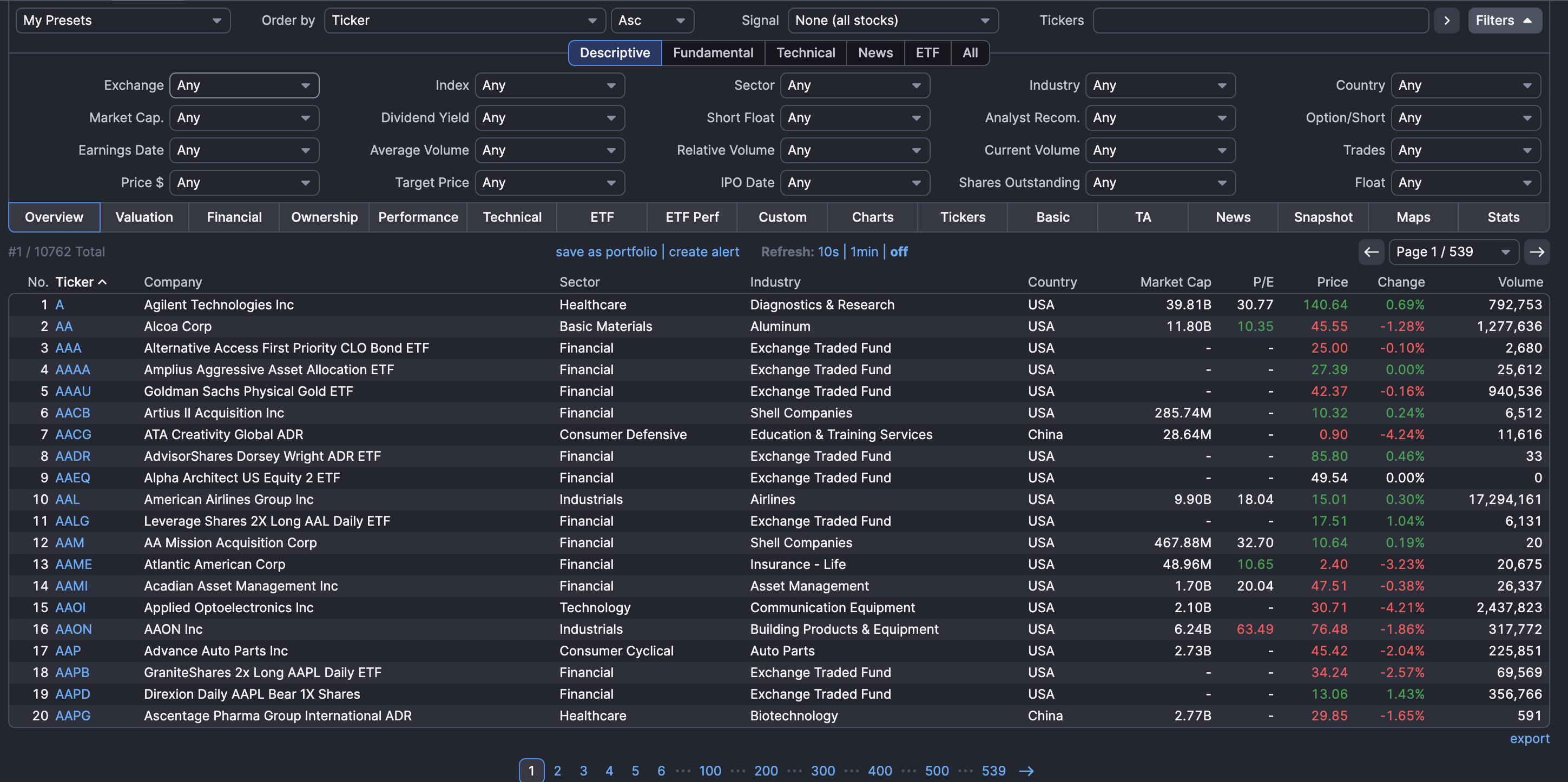
Finviz is a popular stock screener that allows you to filter companies by fundamentals, technical indicators, sector, market cap, and more. It has predefined screeners, but it’s best to set up your own.
- Why it’s useful: Quickly identifies potential investments and compares multiple companies at a glance. Predefined Screeners.
- Best for: Beginners wanting visual charts and easy-to-understand filters.
2. TC2000
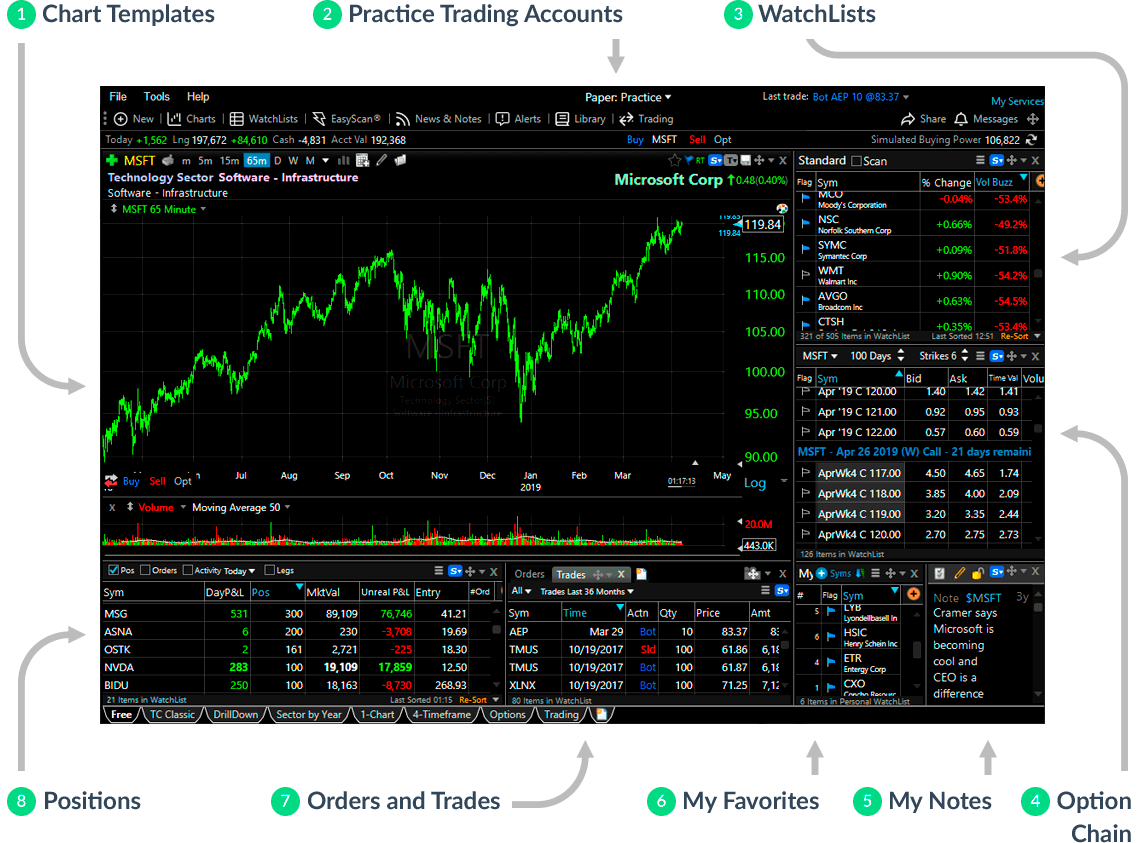
TC2000 provides comprehensive financial data, news, and stock charts. You can also set up custom screeners. Very popular among traders.
- Why it’s useful: Access company profiles, historical stock prices, analyst ratings, and financial news all in one place.
- Best for: Custom real-time market technical analysis, screeners.
3. Company Annual and Quarterly Reports
Nothing beats the source. Every publicly traded company publishes financial statements regularly.
- Why it’s useful: Gives a detailed look at revenue, profit, debts, and business strategy.
- Best for: Investors who want to understand a company deeply.
Tip: Look for the company’s Investor Relations page to access PDFs of reports.
4. TradingView
TradingView is a charting platform that allows technical analysis of stocks, ETFs, and crypto.
- Why it’s useful: Offers interactive charts, indicators, and drawing tools.
- Best for: Beginners learning basic technical patterns and trends.
5. Seeking Alpha
Seeking Alpha combines financial news, analysis, and opinions from both professional and individual investors.
- Why it’s useful: Gain multiple perspectives on a stock or market trend.
- Best for: Learning how different analysts evaluate investments.
6. Crypto-Specific Tools: CoinMarketCap & CoinGecko
For crypto investors, tools like CoinMarketCap and CoinGecko provide real-time pricing, charts, and market caps.
- Why it’s useful: Tracks thousands of cryptocurrencies, trends, and market sentiment.
- Best for: Beginners exploring crypto investments.
7. Morningstar
Morningstar is known for detailed research on ETFs, mutual funds, and stocks.
- Why it’s useful: Includes ratings, performance data, and portfolio analysis.
- Best for: Beginners interested in long-term investing and diversification.
8. Stock Screeners (Free & Paid Options)
Aside from Finviz, there are many screeners like:
- Free: Zacks, MarketWatch screener
- Paid: Stock Rover, TradingView premium
- Why it’s useful: Helps filter investments based on valuation, growth, dividends, or technical setups.
- Best for: Hands-on beginners who want to narrow choices quickly.
9. Google News & Market News Sources
Keeping up with financial news is essential. Google News, Bloomberg, CNBC, and Reuters offer up-to-date reporting.
- Why it’s useful: Understand market sentiment, major events, and company announcements.
- Best for: Beginners wanting context before making trades.
10. Portfolio Tracking Tools
Tools like Personal Capital, Yahoo Finance Portfolio, or Mint help track your investments and performance.
- Why it’s useful: See your overall gains, losses, and diversification in one place.
- Best for: Beginners managing multiple assets and wanting a snapshot of progress.
Additional Tips
- Start with free tools to learn how to analyze stocks and ETFs.
- Use a combination of fundamental (financials, reports) and technical (charts, indicators) tools.
- For crypto, combine market data and news with portfolio tracking to manage risk.
- Don’t rely solely on one tool – cross-reference your research.
Conclusion
Investment analysis doesn’t have to be intimidating. With the right tools, beginners can research companies, track portfolios, and stay informed about the markets. Starting with free or low-cost tools like Finviz, TradingView, and company reports is a great way to build confidence. As you grow, consider premium screeners and portfolio tools to refine your strategy.
Investing successfully isn’t about having every tool, but about using them wisely to make informed decisions.
You might enjoy:
How to Build a Simple Long-Term Portfolio